Buying a used car helps cut down the environmental damage linked to producing new vehicles. It reduces energy use, saves raw materials, and lowers carbon emissions by keeping existing cars on the road longer instead of adding to new production.
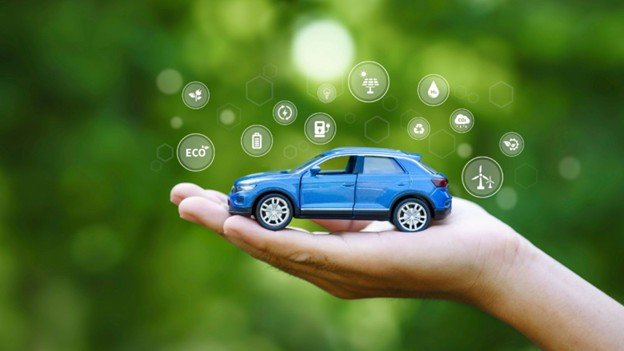
Choosing a used car also promotes recycling and reduces the demand for constant production. This creates less pollution, less waste, and less strain on the planet’s natural resources. For environmentally conscious consumers, buying a used car is a practical way to make a positive difference.
Used cars have a smaller carbon impact compared to new vehicles. This is mainly because they avoid many emissions from making a new car. They also get mileage from resources already used.
Making a new car uses a lot of energy and raw materials. This includes mining metals, creating plastics, and assembling parts. Each step adds to the total carbon emissions.
Used cars have already gone through this manufacturing phase. Buying a used car means no new materials are extracted or processed. People who choose used cars avoid the large emissions from production, reducing their overall carbon footprint.
A used car’s life is extended when someone buys it instead of discarding it. This means fewer cars need to be made overall, lowering long-term environmental impact.
Longer use of a vehicle also reduces waste. Parts and materials stay useful longer, and fewer vehicles end up in landfills. Extending the lifespan of cars helps save resources while cutting down on emissions from building new ones.
Buying a used car helps save important materials and energy throughout the vehicle’s life. It minimizes the need for new raw materials and reduces the energy needed in manufacturing. This choice also reduces reliance on fossil fuel sources and promotes energy-saving practices.
Used cars reuse valuable materials like metals, plastics, and glass. In contrast, making a new car requires large amounts of steel, aluminum, and other mined resources that can harm the environment. Buying a used car helps reduce the need for new material extraction, protecting natural habitats and lowering pollution from mining.
Reusing vehicles extends the life of materials already processed, lowering the need for fresh resources. This resource-saving supports environmental conservation and reduces the impact on ecosystems.
Manufacturing new cars requires a lot of energy. Factories use natural gas, electricity, and heat to build and assemble parts, emitting greenhouse gases that contribute to climate change.
Buying a used car lowers the demand for new manufacturing. This means less energy is used overall. It helps reduce carbon emissions tied to factory work, metal refining, and transportation of new parts.
Energy conservation through used car buying also eases pressure on power plants and raw fuel sources. It supports a more sustainable use of industrial energy in the auto industry.
New cars rely heavily on non-renewable resources like petroleum and minerals. Extracting these resources consumes energy and produces waste. The process adds to environmental degradation and resource depletion.
Used cars require fewer new non-renewable inputs since many components are recycled or reused. This lowers the total demand for oil, metals, and rare minerals.
Reducing the use of non-renewable materials helps protect these limited supplies for future generations. It also decreases environmental impact from extraction and production activities.
Buying a used car helps lower the amount of waste and pollution created by the automotive industry. It reduces the need for producing new vehicles, which in turn decreases harmful byproducts and waste materials.
When people buy used cars, the demand for new vehicles decreases, which reduces the overall strain on manufacturing processes. Fewer new cars being produced means less industrial waste and fewer emissions from processing metals, plastics, and other materials.
Used cars also avoid the disposal of old parts and materials that would otherwise become waste. Extending a car’s lifespan means fewer resources are needed for new parts. This helps minimize manufacturing activities that generate industrial waste.
Old and damaged cars that are no longer in use often end up in landfills. These cars can take up a lot of space and release harmful substances like oil, battery acid, and plastic debris as they break down.
Buying a used car extends the life of existing vehicles, lowering the number of cars sent to junkyards and landfills. This helps slow down landfill growth and reduces environmental pollution from automotive waste. It also supports large-scale recycling and reuse of car components.
Choosing a used car helps reduce waste and lowers demand for new products. It encourages careful resource use and supports long-term environmental goals. This approach also guides buyers toward decisions that lessen their carbon footprint and promote better consumption patterns.
Buying a used car keeps vehicles in use longer, which supports a circular economy. A circular economy also involves repairing and recycling parts.
Used cars are often maintained or upgraded, reducing the need to produce new components. This process lowers industrial pollution and conserves natural resources by reusing what is already made.
Purchasing a used car encourages people to think about sustainability in their daily lives. It shows a commitment to reducing environmental harm by cutting down on emissions linked to manufacturing new vehicles. Buyers also save money, which can make eco-conscious decisions more accessible.
This choice pushes the market toward greener options, as more consumers demand sustainability. It can influence manufacturers and sellers to prioritize eco-friendly practices. Buying used cars ultimately supports habits that are better for the planet and society over time.
If you’re located near Omaha or Kansas City and have a weak or nonexistent credit score, you are a likely candidate for no-credit car loans. However, lenders will still have minimum eligibility qualifications for bad-credit auto loans.
Are you looking to buy a car? Our stress-free car shopping experience will have you driving home amazed at how fast and easy the process was. Just because we’re a “Buy Here Pay Here” car lot doesn’t mean we don’t have a great selection of pre-owned vehicles to choose from. Our inventory is continuously being updated. That means if we don’t have the perfect vehicle for you, be sure to check back next week or even the next day.
In any case, we’re confident that we’ll have something that will fit your tastes, needs, and budget. We encourage you to browse our inventory online in Omaha or Kansas City to narrow down your preferences to make things even faster when you visit our auto dealership.